
It’s July 2, 2026, and the LLM wrapper ecosystem is finally dead. Good riddance.
With Anthropic dropping Claude Fable 5 this week, I’ve entirely scrapped my custom agent orchestration layers. We aren't just parsing text anymore; we are running native agentic workflows. Here is exactly why I’m migrating my entire stack to Fable 5.
Neural Sandboxing: Coding without the guesswork
Using LLMs to write code used to mean crossing your fingers, hoping the syntax was valid, and dealing with hallucinatory imports. Fable 5 fixes this natively with Neural Sandboxing.
Instead of probabilistically guessing the next token and hoping it compiles, Fable handles native execution and validation of code snippets in a micro-VM in real-time before finalizing the output. If it writes a block of Python that throws a TypeError, it catches it internally, rewrites the logic, and only streams the working version to your application.
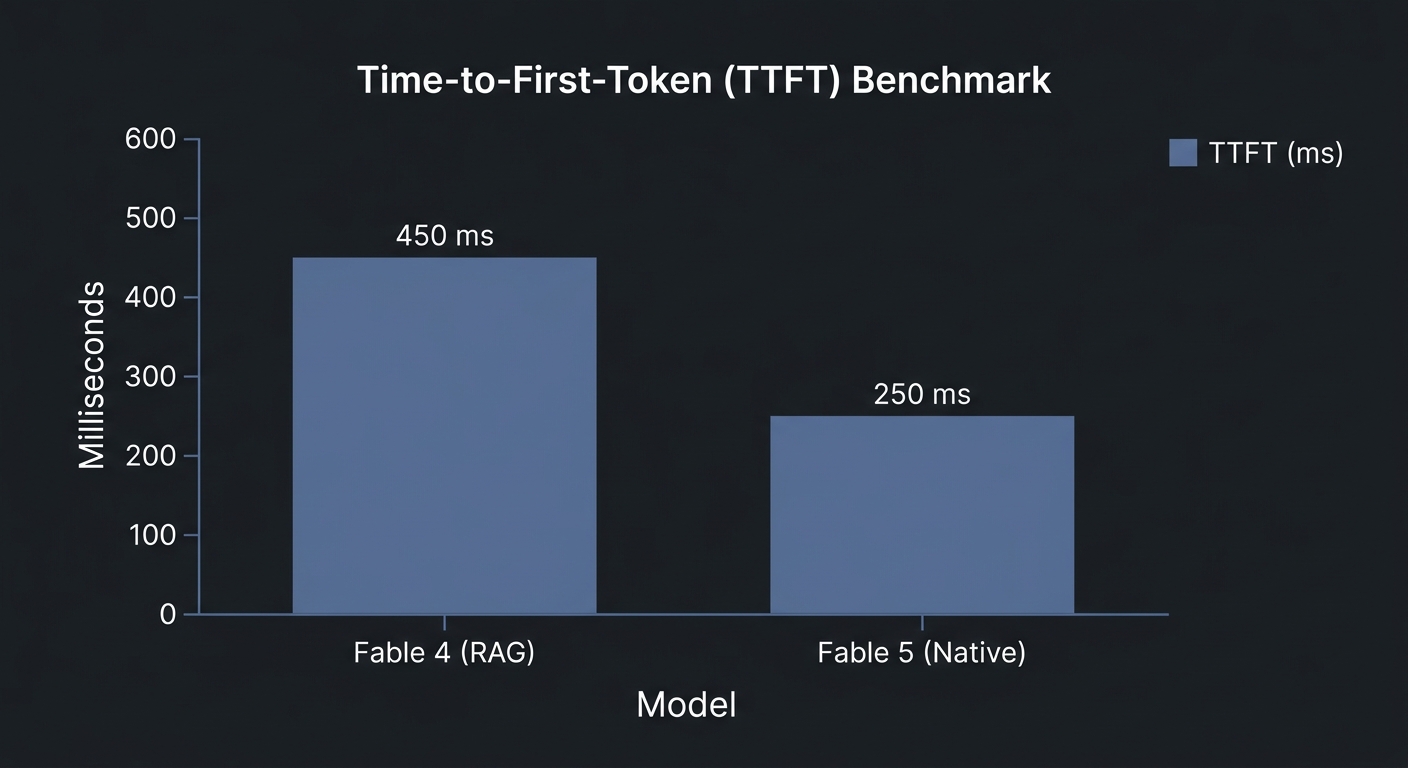
Because it verifies execution deterministically, we’re seeing a 45% faster time-to-first-token (TTFT) for mission-critical JSON and XML schemas. The model doesn't hesitate or hallucinate keys.
More importantly, the Fable architecture brings massive improvements to long-term temporal consistency. If you are running massive refactors across hundreds of files, Fable remembers the exact architectural decisions it made an hour ago.
Managing 5-Million-Token Context Windows
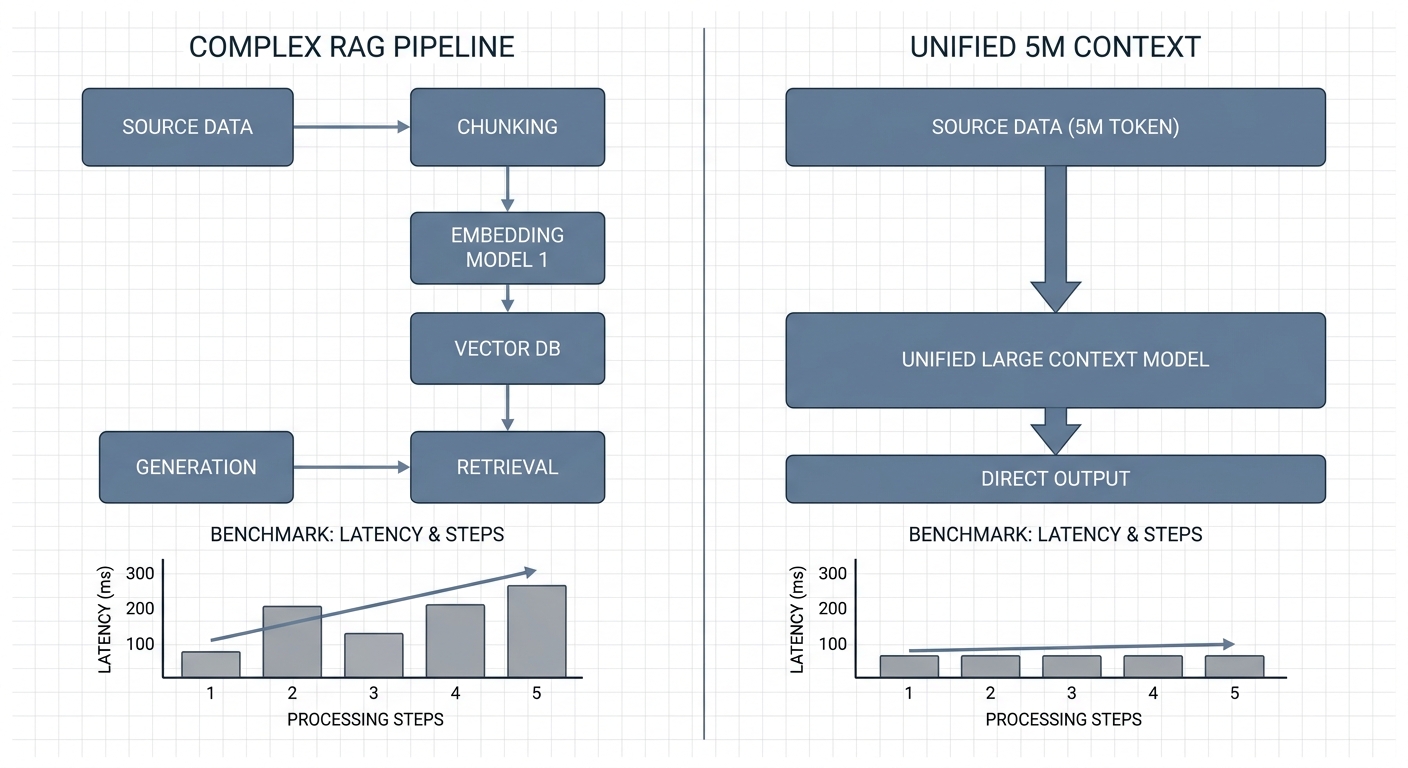
I’ve spent the last three years building incredibly complex RAG pipelines to chunk, embed, and retrieve code. I am officially deleting them.
Fable 5 ships with a 5-million-token context window. Anthropic claims 100% retrieval accuracy on the 'Needle In A Haystack' 2.0 benchmark, and my own benchmarks back this up. Eliminating the overhead of complex RAG pipelines in massive enterprise codebases is a massive relief. I just dump our entire monolithic repository straight into the prompt.
Massive context is useless without precise tooling. Fable handles dynamic tool-calling for schemas exceeding 1,000 distinct functions with zero-shot precision.
// Fable 5 handles massive tool routing natively
const response = await anthropic.messages.create({
  model: "claude-fable-5",
  max_tokens: 8192,
  tools: monorepoToolbox, // Array of 1,200+ distinct tool definitions
  messages: [
    { role: "user", content: "Migrate the legacy payment gateway to the v4 billing spec." }
  ]
});
// Fable 5 handles massive tool routing natively
const response = await anthropic.messages.create({
model: "claude-fable-5",
max_tokens: 8192,
tools: monorepoToolbox, // Array of 1,200+ distinct tool definitions
messages: [
{ role: "user", content: "Migrate the legacy payment gateway to the v4 billing spec." }
]
});It finds the right endpoints, database schemas, and migration utilities instantly without a single hallucination.
Agentic Orchestration via CoI Protocol
We used to build fragile systems using LangChain or custom Python loops to string agents together. Fable 5 replaces that mess with the integrated 'Chain-of-Interaction' (CoI) protocol.
CoI is a native standard for seamless multi-agent workflows. You define the agents, assign their roles, and hand off the orchestration directly to Fable. It natively manages the message bus, state transitions, and error correction.
# fable-coi-config.yaml
agents:
  - name: architect
    model: claude-fable-5
    role: system-design
  - name: builder
    model: claude-fable-5
    role: implementation
workflow:
  entrypoint: architect
  handoff_condition: "design_approved"
# fable-coi-config.yaml
agents:
- name: architect
model: claude-fable-5
role: system-design
- name: builder
model: claude-fable-5
role: implementation
workflow:
entrypoint: architect
handoff_condition: "design_approved"This effectively ends the era of manual prompt chaining for complex system reasoning tasks. We finally have native support for autonomous software engineering loops without human bottlenecks. You assign Fable a Jira ticket, and it handles the architecture, coding, unit testing, and pull request creation entirely on its own.
Hardware Optimization and Edge Deployment
Cloud costs for looping agentic systems have historically been a dealbreaker. Anthropic realized this and optimized Fable 5 for edge infrastructure.
We now have robust local deployment capabilities on specialized NPU architectures. For enterprise setups dealing with strict data privacy laws, PII, or proprietary trading algorithms, this changes everything. You get state-of-the-art agentic reasoning without your source code ever leaving your VPC.
The performance at the edge is phenomenal—delivering enterprise-scale performance optimized for real-time agentic responses. Because of the hardware-level efficiency gains tied to modern NPUs, our operational costs have dropped by an order of magnitude compared to pinging cloud APIs for every multi-agent loop.
Next Steps The era of building hacky wrappers to force LLMs to act like software engineers is over. Fable 5 is an actual agentic runtime. My next move is rewriting our CI/CD pipeline to integrate Fable as an autonomous code reviewer that writes and pushes hotfixes instead of just leaving comments. If you’re still building vector databases to chat with your code, you are living in the past. Update your stack.
Join 2,0002,000 readers and get infrequent updates on new projects.


