

Internship at Biosensors
Biomedical engineering internship at Biosensors — iterative prototyping of a vacuum catheter for minimally invasive mitral valve fixation on a beating heart.
Biosensors
In summer 2024 I interned at Biosensors on a biomedical engineering brief: develop a vacuum catheter concept for minimally invasive mitral valve fixation. Traditional repair often needs anesthesia and extracorporeal circulation — a heavy load for frail patients. The idea was to use vacuum suction through a catheter to hold the valve leaflets so a needle could pass for knot formation, without stopping the heart.
Unlike devices such as MitraClip or Pascal that fixate near the base of the leaflets, the brief targeted fixation at the top of the leaflets — a different mechanical problem under beating-heart conditions.
Project Snapshot
This was an iterative prototyping study — not a clinically ready device. Four resin-printed heads were built and tested on pericardial tissue; findings are summarized in a preliminary report from August 2024.
- 4
- Prototype iterations
- Formlabs 3
- Resin printer
- Pericardial
- Tissue testing medium
- Aug 2024
- Preliminary report
Prototype Evolution
Each revision changed cup geometry and orientation to improve suction, prevent tissue lift-off, and leave room for needle passage.
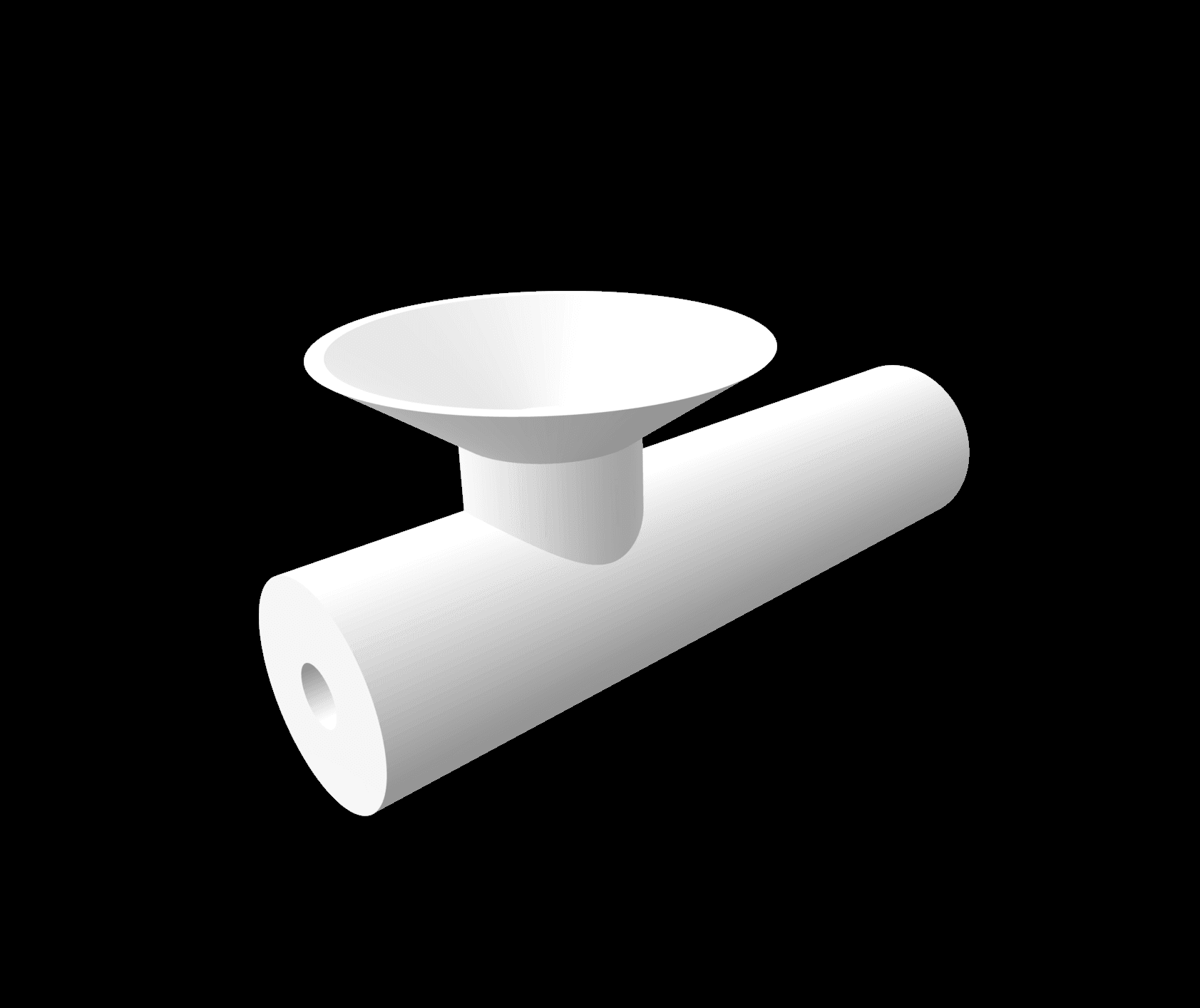
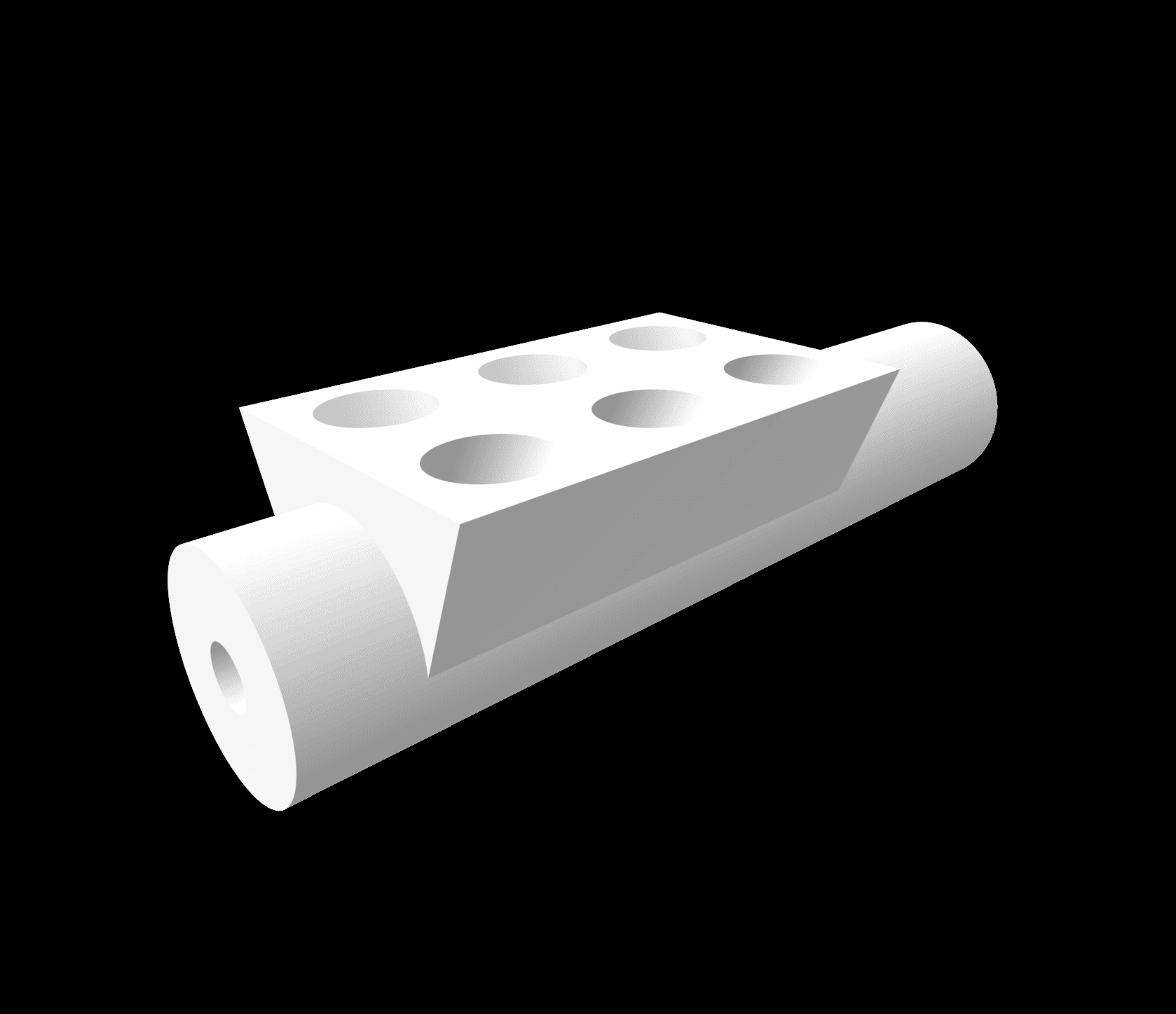
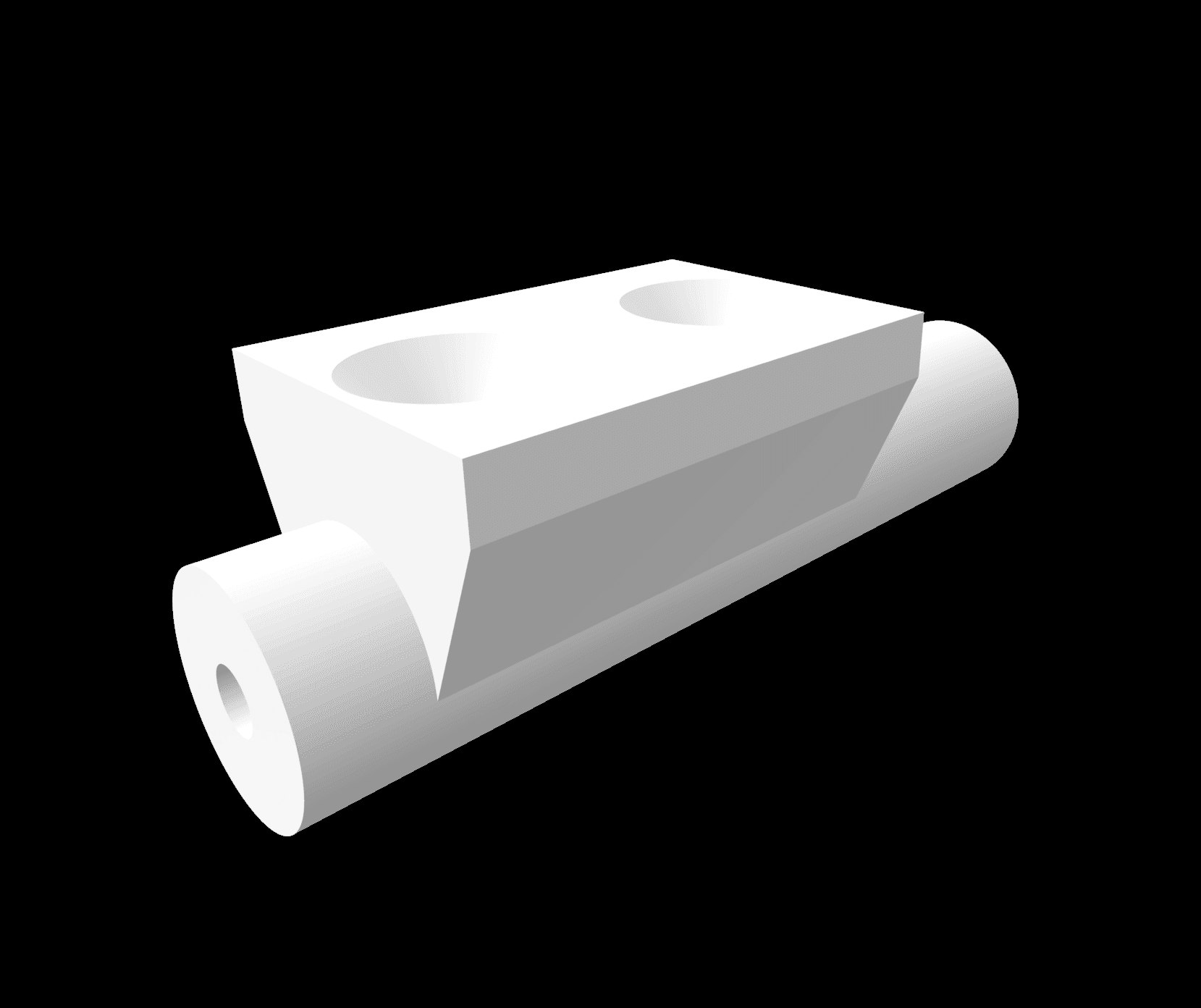
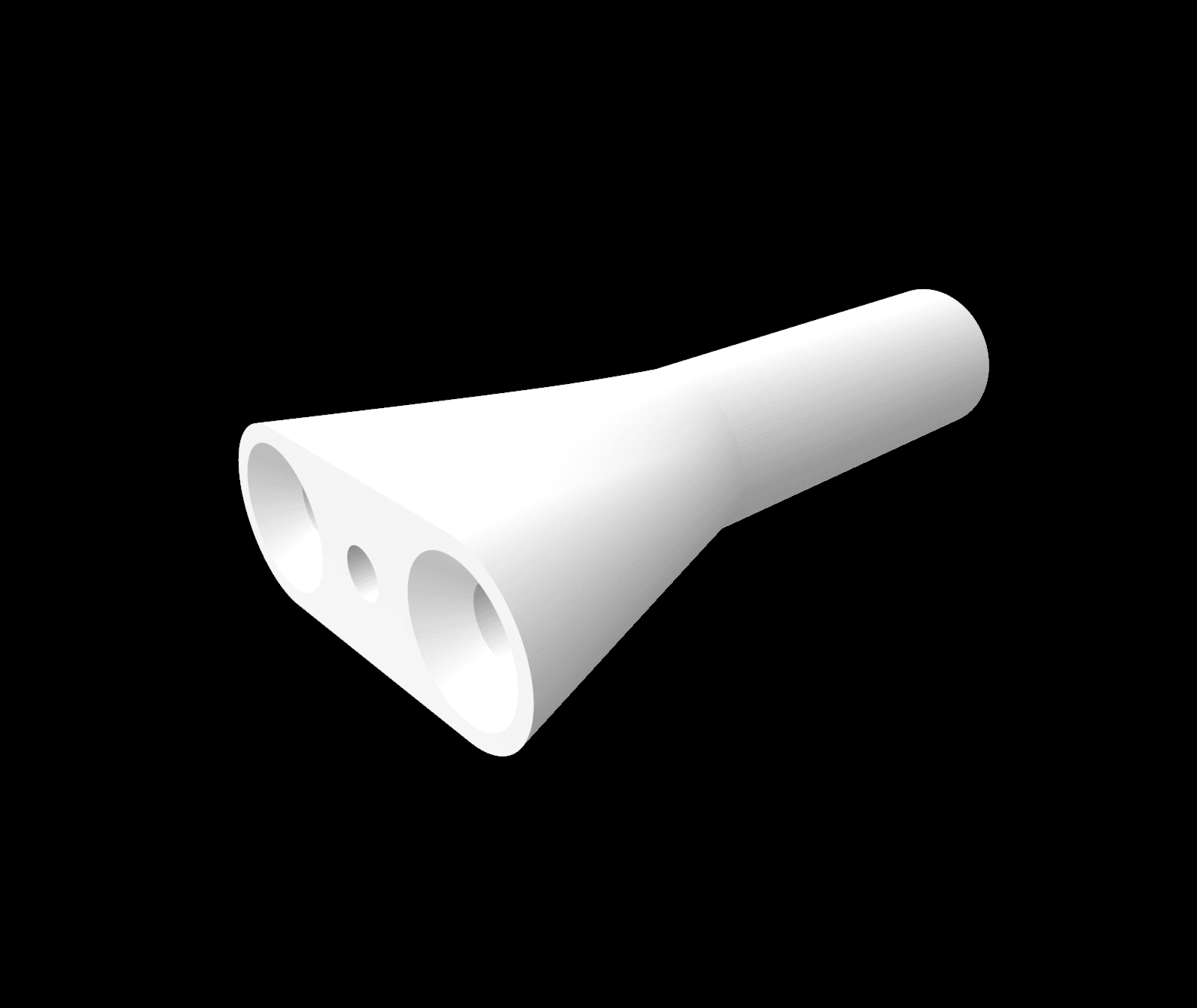
Prototype 1 · single large cup
01 / 04
Approach
- Framed the clinical motivation: secure leaflet fixation under dynamic flow without extracorporeal circulation.
- Designed for suction-led hold plus a clear path for targeted needle passage and knot formation.
- Iterated cup size, count, and orientation instead of jumping to a single “finished” tip.
- Validated each step on pericardial tissue rather than simulation alone.
What I Did
- Modeled and printed successive catheter tip prototypes on a Formlabs 3 resin printer.
- Tested attachment force, suction stability, and needle access on pericardial tissue.
- Documented failure modes — insufficient suction, tissue drawn too deep, hard vertical lift — and fed them into the next geometry.
- Wrote up the preliminary study (August 19 2024) covering method, results, and remaining engineering risks.
Results
- Prototype 1 — single large cup on a balloon catheter: attached, but suction was too weak for reliable needle passage and tissue was drawn too deep into the cup.
- Prototype 2 — multiple small cups: stronger suction overall, but lifting tissue vertically remained difficult.
- Prototype 3 — two large cups (larger outer diameter, smaller inner diameter): prevented lift-off and gave more secure fixation.
- Prototype 4 (final in this study) — cups reoriented for perpendicular needle passage: secure attachment, strong suction during needle passage, and easier needle manipulation in the bench setup.
Open Challenges
These remain before anything like a clinical path — the study stopped at promising bench prototypes:
- Blood loss risk when the tip is not attached
- Tissue damage from prolonged or excessive suction
- A controlled suction system (not just manual vacuum)
- Multi-lumen catheter integration
- Further refinement of the needle and fixation workflow
What I Learned
Hardware iteration is mostly listening to what failed on the last print. Small changes in cup geometry flipped the outcome from “sticks but useless for a needle” to “holds while you work.” I also learned to keep claims bounded: this project showed a direction for mitral leaflet fixation on tissue — not a ready surgical tool.
Project document
Biosensors · Final report
Preliminary study — vacuum catheter prototypes for minimally invasive mitral valve fixation.
biosensors-final.pdf